

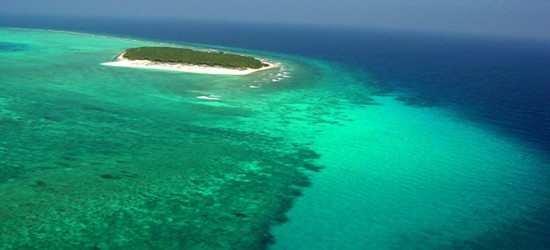
Bitra Island is one of the lesser-known yet enchanting islands of the Lakshadweep archipelago in India. Nestled in the Arabian Sea, this tiny island is part of the Amindivi subgroup and stands out for its pristine natural beauty, unique ecosystem, and serene atmosphere. Despite its small size, Bitra holds a special place in the hearts of travelers and researchers who value tranquility and untouched landscapes. This article explores the geographical, cultural, and ecological significance of Bitra Island, as well as the opportunities it offers for tourism and scientific study.
Geography and Location
Bitra Island is situated approximately 425 kilometers west of the Indian mainland, near the northern edge of the Lakshadweep group. It is remarkably small in land area, stretching only about one square kilometer, making it one of the tiniest inhabited islands in the region. Despite its limited size, the island is encircled by a vibrant coral reef system that adds to its charm and ecological importance. The shallow lagoons surrounding the island are home to numerous marine species, providing both protection to local fishermen and a natural laboratory for marine biologists.
The island’s landscape is dominated by coconut palms, small patches of greenery, and sandy beaches. Its low elevation and remote location contribute to its secluded feel, offering visitors a sense of isolation from the hustle and bustle of modern life. Access to Bitra is mainly by sea, typically via government or private boats from nearby larger islands like Agatti or Kavaratti. The journey, though long, is rewarded by the island’s calm ambiance and the opportunity to witness traditional island life untouched by urban development.
History and Cultural Significance
Bitra Island has a history closely linked to the broader narrative of the Lakshadweep islands. It has been inhabited for centuries by local communities whose livelihoods revolve around fishing, coconut cultivation, and small-scale trade. The island’s residents maintain a simple lifestyle that is deeply connected to the sea and the rhythms of nature. Traditional practices such as boat making, fishing techniques, and local cuisine have been preserved through generations, offering a window into the cultural heritage of the region.
Religion and community play central roles in the lives of Bitra’s inhabitants. The island predominantly follows Islam, with a mosque serving as a focal point for community gatherings and spiritual practices. Despite its small population, Bitra has a tightly-knit social structure where cooperation and mutual support are essential for survival on such a remote island. Festivals, communal activities, and traditional ceremonies continue to be celebrated, keeping the island’s cultural identity alive.
Ecology and Marine Life
The ecological significance of Bitra Island cannot be overstated. The coral reefs surrounding the island are among the most diverse ecosystems in the Arabian Sea. These reefs support a wide array of marine species, including various fish, mollusks, and crustaceans. Sea turtles are also known to frequent the island’s shores for nesting, adding to the ecological importance of the area. The conservation of these reefs is critical, as they provide not only food and livelihood to the local population but also protection against coastal erosion and natural disasters.
Bitra Island’s terrestrial environment, though small, supports a surprising variety of plant and bird species. Coconut palms dominate the landscape, but other native trees and shrubs contribute to the island’s biodiversity. Migratory birds often visit the island, making it an ideal spot for birdwatchers and nature enthusiasts. Scientists and environmentalists consider Bitra a valuable location for studying the interactions between marine and terrestrial ecosystems, particularly in isolated and fragile island habitats.
Tourism Potential and Challenges
Bitra Island has immense potential as an ecotourism destination due to its unspoiled environment, tranquil beaches, and rich marine life. Unlike the more popular islands of Lakshadweep, Bitra offers a unique opportunity for visitors seeking solitude, relaxation, and a connection with nature. Activities such as snorkeling, scuba diving, and wildlife observation are particularly rewarding, thanks to the clarity of the surrounding waters and the abundance of coral reefs and marine species.
However, tourism on Bitra Island is limited due to logistical challenges and the need to preserve its delicate ecosystem. Accommodation options are minimal, and visitors must rely on local homestays or government guesthouses. The small population and limited infrastructure mean that tourism must be managed carefully to avoid environmental degradation and disruption of the local way of life. Sustainable tourism practices are essential to ensure that Bitra remains a pristine destination for future generations.
Future Prospects
The future of Bitra Island lies in balancing development with conservation. There is growing interest from both the government and environmental organizations in promoting the island as a model for sustainable living and ecotourism. Initiatives aimed at coral reef protection, waste management, and renewable energy implementation could enhance the quality of life for residents while preserving the island’s natural beauty. Additionally, research opportunities in marine biology, climatology, and sustainable agriculture make Bitra an important hub for scientific inquiry.
Preserving the cultural and ecological heritage of Bitra requires careful planning and community involvement. By prioritizing sustainability and respecting the island’s unique identity, Bitra has the potential to become a benchmark for responsible tourism and environmental stewardship in island ecosystems worldwide. Its untouched landscapes, rich biodiversity, and resilient community offer a glimpse into a world where nature and human life coexist harmoniously.
Conclusion
Bitra Island, though small and often overlooked, is a treasure within the Lakshadweep archipelago. Its serene environment, vibrant coral reefs, and cultural richness make it an exceptional destination for travelers and researchers alike. The island’s history, ecology, and potential for sustainable tourism highlight the importance of preserving such fragile ecosystems in an era of rapid development. Bitra stands as a reminder of the delicate balance between human life and nature, offering both a refuge and a source of inspiration for those who seek the quiet beauty of the world’s hidden corners.